

Standing out in the Google Play Store’s sea of 3.5+ million apps requires more than just building a great Android application—it demands strategic promotion. This comprehensive guide provides battle-tested tactics for marketing your Android app effectively in 2024, covering both free and paid approaches to maximize visibility, downloads, and revenue. Whether you’re an independent developer or part of a larger team, these strategies will help your app break through the noise and find its target audience.
1. Follow Android Design Principles to Create a Marketable Product
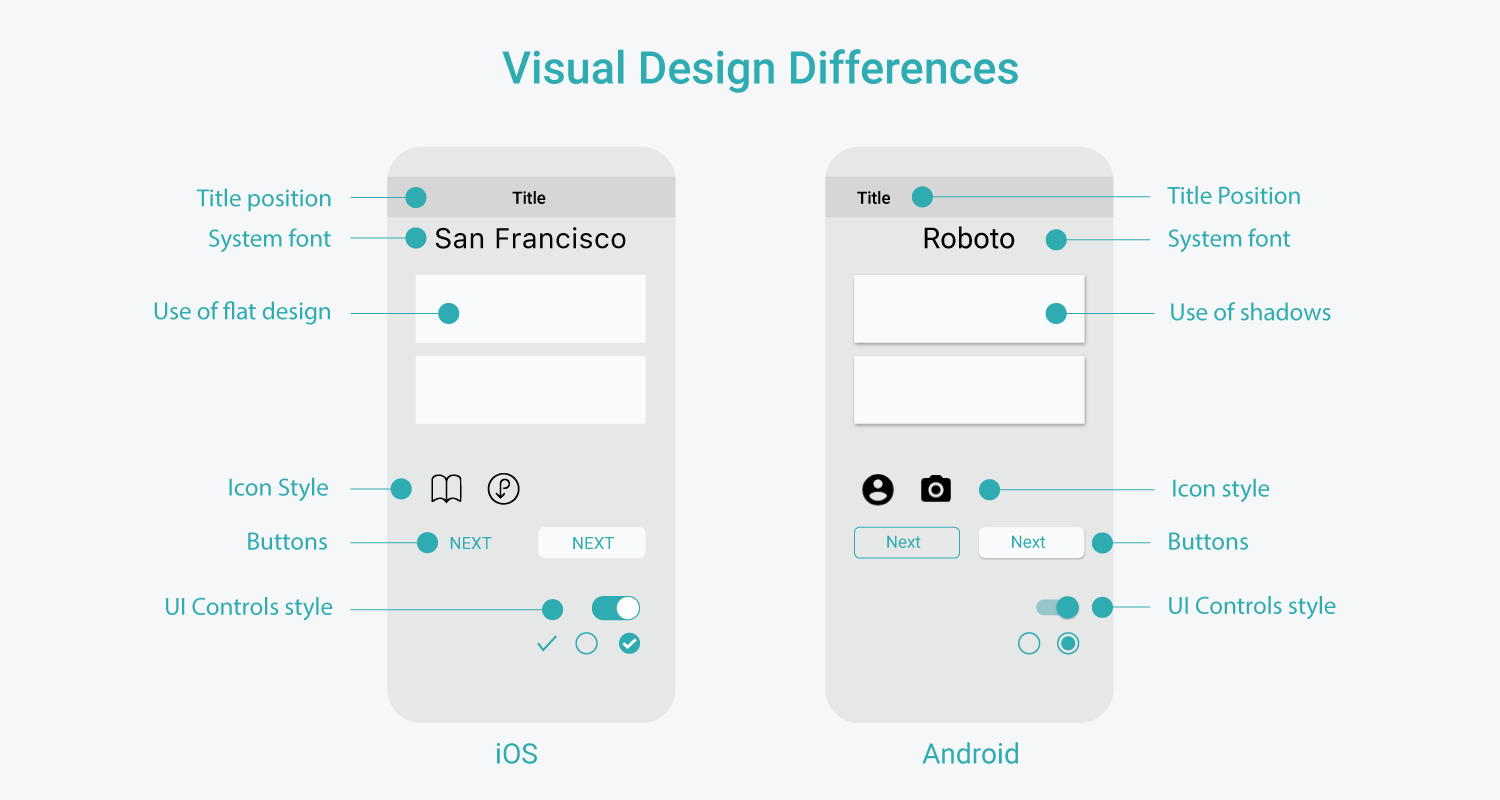
The foundation of successful app marketing starts with your product itself. Adhering to Google’s Material Design guidelines ensures a visually appealing and intuitive user experience that naturally generates positive reviews and word-of-mouth recommendations. Recent statistics show that apps following Material Design principles experience 23% higher retention rates and 18% lower uninstall rates.
- Dive into Material Design 3: Study Google’s latest Material Design documentation at https://m3.material.io to create interfaces that feel intuitively “Android native” while maintaining your unique brand identity.
- Implement Adaptive Design: Ensure your app functions beautifully across various device types and screen sizes, from budget phones to high-end tablets. Google rewards responsive apps with better placement in search results.
- Optimize Performance: Aim for fast loading times (under 2 seconds), smooth animations (60fps), and minimal battery consumption. Users quickly abandon apps that feel sluggish or drain their battery.
Implementation Tip: Use Android Studio’s Layout Inspector and GPU Rendering tools to identify and fix UI performance issues before they impact your user experience and marketing effectiveness.
2. Refine Your App Through Strategic Android Beta Testing
Beta testing is crucial for polishing your app and building an initial user base. A structured beta program can identify critical bugs, improve usability, and create a foundation of engaged users who become advocates for your app at launch.
- Leverage Google Play’s Beta Channels: Set up closed testing for targeted feedback from selected testers, followed by open testing to scale your pre-launch user base. Learn the complete process at https://support.google.com/googleplay/android-developer/answer/3131213.
- Structure Your Beta Program: Create a testing schedule with specific focus areas for each phase (core functionality, user experience, edge cases, etc.) to ensure comprehensive feedback.
- Use Firebase Crashlytics: Implement automated crash reporting to catch issues testers might not report. Apps with fewer than 0.1% crash-free sessions experience significantly lower retention.
Case Study: Productivity app Todoist used a 3-phase beta testing approach for their major Android redesign, spending 6 weeks with 500 selected testers before opening to 10,000 users. This process identified 37 critical UX issues and 14 performance bottlenecks that would have harmed their launch, ultimately improving their Play Store rating from 4.3 to 4.7 stars within two months of release.

3. Build Feedback Channels That Drive Continuous Improvement
Establishing robust feedback mechanisms does more than improve your app—it fundamentally changes how users perceive your brand. Apps that actively solicit and respond to feedback see up to 62% higher retention rates and significantly fewer negative reviews.
- Implement In-App Feedback Tools: Integrate solutions like Instabug or UserVoice that make providing feedback frictionless without forcing users to leave your app.
- Create Strategic Feedback Triggers: Request feedback at optimal moments—after successful task completion or feature usage rather than interrupting core activities.
- Establish a Feedback Loop: Show users how their feedback directly influences app improvements by highlighting “Based on your feedback” in update notes.
Technical Implementation: Design your feedback system to categorize input automatically (bug reports, feature requests, usability issues) and integrate it with your development tracking tools like Jira or Trello to ensure actionable insights aren’t lost.
4. Master App Store Optimization (ASO) for Android
ASO is the foundation of organic discovery in the Google Play Store, with 70% of app discoveries occurring through store searches. A data-driven ASO strategy can increase visibility by 80-120% and reduce cost-per-acquisition by 20-30%.
- Android-Specific Keyword Strategy: Unlike iOS, Google Play indexes your full app description, allowing for more extensive keyword optimization. Use tools like AppTweak, Mobile Action, or Sensor Tower to identify high-volume, moderate-competition keywords specific to Android users.
- Optimize Your Store Listing Components:
- Title (30 characters): Include your brand name and primary keyword
- Short Description (80 characters): Feature compelling value proposition and secondary keywords
- Full Description (4000 characters): Maintain 2-3% keyword density while creating readable, benefit-focused content
- Feature Graphic (1024x500px): Create an eye-catching banner that communicates core value
- Competitive Benchmarking: Analyze top-performing competitors to identify keyword gaps, feature differentiators, and visual presentation opportunities that can give you an edge.
- Conversion Rate Optimization: A/B test different store listing elements using Google Play’s built-in testing tools to identify which variations drive the highest install rates. Focus on icon, feature graphic, and screenshots first as these have the greatest impact.
Case Study: Language learning app LingoLeap implemented a comprehensive ASO strategy focusing on competitor keyword gaps, achieving a 142% increase in organic installs over three months. Their approach included localizing their store listing for 8 key markets and implementing biweekly A/B tests of their visual assets, which improved their conversion rate from 15% to 27%.

5. Implement a Comprehensive App Monetization Strategy
Effective monetization not only generates revenue but also provides funding for continued marketing efforts. The most successful Android apps typically combine multiple monetization methods rather than relying on a single approach.
| Monetization Model | Best For | Implementation Considerations | Average Revenue Per User (ARPU) |
|---|---|---|---|
| In-App Purchases | Games, productivity apps, utilities | Focus on value-adding features; avoid paywalling core functionality | $15-25 monthly from paying users (2-5% conversion rate) |
| Subscriptions | Content apps, services, premium tools | Offer compelling free tier; provide clear upgrade benefits | $8-12 monthly per subscriber (1-3% conversion rate) |
| Freemium Model | Most app categories | Balance free value with premium incentives | Varies based on premium pricing |
| In-App Advertising | High-engagement apps, games, content apps | Balance ad frequency with user experience | $0.10-0.50 daily per active user |
| Rewarded Ads | Games, content apps | Offer valuable in-app rewards for ad viewing | $0.15-0.80 daily per active user |
- Pricing Strategy Development: Research competitive pricing benchmarks in your category and test different price points to identify the optimal balance between conversion rate and revenue per user.
- Implement Analytics for Monetization: Use tools like Firebase Analytics with revenue tracking to identify which user segments, features, and acquisition channels drive the highest lifetime value (LTV).
- Calculate Marketing ROI: Develop a system to track the customer acquisition cost (CAC) and LTV by channel to determine which marketing efforts provide the highest return.
Implementation Tip: When introducing monetization features, clearly communicate the value proposition to users. Apps that explain the benefits of premium features or why ads appear see 35% higher conversion rates and fewer negative reviews.
6. Deploy Social Media Marketing with Platform-Specific Strategies
Social media marketing for Android apps requires platform-specific approaches. According to Hootsuite research, the average Android user is active on 4.2 social platforms, making cross-platform strategies essential.
- Platform-Specific Content Strategy:
- Instagram: Focus on visually appealing UI screenshots, user testimonial graphics, and short-form demo videos
- TikTok: Create tutorial videos, feature highlights, and participate in trending challenges
- Twitter: Share quick tips, updates, user success stories, and engage with relevant tech conversations
- Reddit: Participate authentically in relevant subreddits, host AMAs, and share valuable content (not just promotion)
- Content Calendar Development: Create a strategic content calendar that balances promotional content (20%), educational content (40%), and engagement content (40%) to maintain audience interest.
- Social Media Advertising Framework: Develop a targeted ad strategy with specific goals for each platform:
- Use Instagram and TikTok for awareness and reach
- Leverage Facebook for conversion-focused campaigns
- Implement Twitter for engagement with tech enthusiasts
Case Study: Fitness app FlexFit generated over 100,000 installs in three months through a coordinated TikTok campaign that involved partnering with micro-influencers (10K-50K followers) to create authentic workout demonstrations using the app. Their cost-per-install was 73% lower than traditional display advertising.

7. Strategically Leverage Influencer Marketing
Influencer marketing delivers 11x higher ROI than traditional digital advertising for Android apps when implemented strategically. The key is finding authentic partners whose audience aligns with your target users.
- Develop a Tiered Influencer Strategy:
- Micro-influencers (1K-50K followers): Highest engagement rates and most cost-effective for niche apps
- Mid-tier influencers (50K-500K followers): Balance between reach and engagement
- Macro-influencers (500K+ followers): Best for broad consumer apps needing maximum visibility
- Create Influencer Briefs: Provide clear guidelines while allowing creative freedom, including key features to highlight, unique selling points, and trackable download links.
- Track Attribution: Implement unique referral codes or tracking links for each influencer to measure direct installs, engagement, and ROI accurately.
Competitive Analysis Tip: Research which influencers are promoting competing apps to identify potential partners and differentiation opportunities. Analyze engagement on competitor-sponsored content to determine what resonates with your target audience.
8. Build and Nurture a Dedicated User Community

Community building creates a sustainable marketing engine through user advocacy. Apps with active communities see 6x higher retention rates and 73% more frequent feature usage compared to apps without community engagement strategies.
- Select Appropriate Community Platforms:
- Discord: Ideal for real-time interaction and community building for games and tools
- Reddit: Great for discussion-based communities and support
- Facebook Groups: Works well for non-technical users and lifestyle apps
- Dedicated Forums: Best for complex apps with technical users
- Develop a Community Engagement Calendar: Schedule regular activities like feature spotlights, user success stories, Q&A sessions, and exclusive previews to maintain momentum.
- Create a User Advocacy Program: Identify and nurture your most engaged users with special access, recognition, and incentives to become app ambassadors.
Implementation Strategy: Start small with a focused group of highly engaged beta users before expanding. Assign dedicated community management resources—successful app communities typically require 5-10 hours weekly of active management.
9. Execute Strategic PR and Media Outreach
Earned media coverage provides credibility that paid advertising cannot match. A structured PR approach can dramatically increase visibility while establishing your app as an innovation leader.
- Create a Media Targeting Framework:
- Tier 1: Major tech publications (TechCrunch, The Verge, Android Authority)
- Tier 2: Niche publications specific to your app category
- Tier 3: Local tech publications and relevant industry blogs
- Develop Newsworthy Angles: Focus on what makes your app unique—innovative features, problem-solving capabilities, compelling origin story, or impressive metrics.
- Create a Media Kit: Include press release, founder bios, high-resolution screenshots, app demo video, key metrics/milestones, and contact information in a downloadable package.
Competitive Advantage Tip: Monitor key publications for articles about competing apps. When you spot coverage, reach out to the same journalist with a differentiated angle on how your solution addresses the same problem uniquely.
10. Implement Data-Driven Referral Programs

Referral programs generate users with 37% higher retention and 25% higher lifetime value than users from other channels. Successful programs turn your existing user base into a powerful acquisition network.
- Design a Double-Sided Reward Structure: Incentivize both the referrer and new user, typically offering greater value to the referrer to drive promotion.
- Implement Technical Integration: Use Firebase Dynamic Links or specialized referral SDK solutions like Branch.io to create trackable referral links that work seamlessly across platforms.
- Optimize the Referral Flow: Minimize friction by making sharing intuitive and providing pre-populated messages that users can easily customize.
Case Study: Photography app SnapPro implemented a referral program offering referrers 1 month of premium features and referred friends 14 days of premium access. The program generated 28,000 new installs in the first quarter while achieving a 40% lower CPI than their Facebook advertising campaigns.
11. Utilize Paid User Acquisition Channels Strategically
Paid acquisition complements organic efforts and allows for predictable growth. The most effective Android app marketing strategies allocate 60-70% of budgets to channels with proven ROI while experimenting with 30-40% on emerging opportunities.
| Acquisition Channel | Typical Cost-Per-Install | Best For | Quality of Users |
|---|---|---|---|
| Google UAC (Universal App Campaigns) | $1.50 – $3.00 | Scale, targeting intent-based users | Medium-High |
| Facebook/Instagram Ads | $1.80 – $3.50 | Demographic/interest targeting | Medium |
| TikTok Ads | $1.00 – $2.50 | Younger demographics, viral potential | Medium |
| Influencer Marketing | $0.80 – $3.00 | Credibility, niche targeting | High |
| Programmatic Networks | $1.20 – $2.80 | Reach, retargeting capabilities | Low-Medium |
| Apple Search Ads (for cross-platform apps) | $2.00 – $4.00 | High-intent iOS users | Very High |
- Implement a Scaled Testing Framework: Start with small budget tests ($500-1000) across multiple channels to identify preliminary performance before scaling winners.
- Optimize for Post-Install Events: Configure campaigns to optimize for meaningful in-app actions rather than just installs to acquire higher-quality users.
- Develop Channel-Specific Creative Strategies: Create customized assets for each platform rather than using generic materials across all channels.
ROI Calculation Framework: Implement cohort-based LTV tracking to accurately measure channel ROI. Calculate ROI using: (Cohort LTV – CPI) / CPI × 100%. Profitable channels typically achieve 30%+ ROI in the first 90 days and 100%+ ROI over the user lifetime.
12. Conduct Systematic Competitive Analysis
Understanding your competitors’ strategies provides invaluable insights for differentiating your app and identifying market opportunities. Implement a structured approach to competitive intelligence gathering.
- Identify Competitor Tiers:
- Direct competitors: Apps with similar core functionality
- Indirect competitors: Apps solving the same user problem differently
- Aspirational competitors: Category leaders to benchmark against
- Analyze Competitive Positioning: Download and regularly use competing apps to identify their strengths, weaknesses, unique features, and user experience flows.
- Track Competitor Marketing Activities: Monitor their app store listings, social media presence, advertising campaigns, PR coverage, and user acquisition strategies.
- Implement Competitive Intelligence Tools: Use services like AppTweak, Sensor Tower, or Mobile Action to track competitor ASO strategies, keyword rankings, and estimated download/revenue metrics.
Implementation Strategy: Create a quarterly competitive analysis report that identifies market trends, feature opportunities, and potential threats. Share findings with both marketing and product teams to inform strategic decisions.
Measuring Success: Analytics Framework for Android App Marketing
Effective measurement is essential for optimizing your marketing efforts. Implement a comprehensive analytics structure to track key performance indicators across the user journey.
| Journey Stage | Key Metrics | Benchmarks | Tracking Tools |
|---|---|---|---|
| Awareness | Impressions, Reach, Store Listing Views | 20-30% MoM growth (early stage) | Google Play Console, Campaign Tools |
| Acquisition | Installs, Store Conversion Rate, CPI | Store CVR: 30-40% for optimized listings | Play Console, Firebase, AppsFlyer |
| Activation | Tutorial Completion, Feature Adoption | 60-70% complete primary onboarding | Firebase Analytics, Mixpanel |
| Retention | D1, D7, D30 Retention Rates | D1: 40-60%, D7: 20-30%, D30: 10-15% | Firebase, Amplitude |
| Revenue | ARPU, Conversion to Paid, LTV | 2-5% conversion to paid (freemium) | Play Console, Revenue Cat |
| Referral | Referral Rate, K-Factor | 5-15% users activate referrals | Custom Tracking, Branch |
Implementation Steps:
- Set up Firebase Analytics with enhanced e-commerce tracking for monetization events
- Implement a mobile measurement partner (MMP) like AppsFlyer or Adjust for attribution
- Create custom dashboards that combine data sources for holistic performance views
- Establish a weekly reporting cadence to monitor KPIs and identify optimization opportunities
Final Thoughts: Creating Your Android App Marketing Roadmap
Successfully promoting your Android app requires a multi-faceted approach combining technical optimization, strategic marketing, and continuous improvement. Start by creating a 90-day marketing roadmap that prioritizes these strategies based on your app’s current stage, available resources, and business objectives.
Remember that effective app marketing is not a one-time effort but an ongoing process of testing, learning, and refining. By implementing these proven strategies and consistently measuring their impact, you’ll be well-positioned to rise above the competition and connect with your target audience in the crowded Android marketplace.
Need personalized guidance for your Android app marketing strategy? AppSamurai offers comprehensive app marketing services tailored to your specific goals and budget. Contact our team for a free consultation and discover how we can help elevate your app’s visibility and growth.