

This post is updated on May 2024.
The dream of every app developer is to see their creation thrive on a global scale. While building a fantastic app is crucial, reaching a diverse audience requires more than just a good product. App localization is the key to unlocking untapped markets and driving exponential growth.
At AppSamurai, we understand the intricacies of app localization and its immense impact on user acquisition and retention. In this comprehensive guide, we’ll delve into the strategies, best practices, and tools that can help you expand your app’s reach, resonate with diverse cultures, and achieve global success.
What is App Localization (And Why It’s Not Just Translation)?
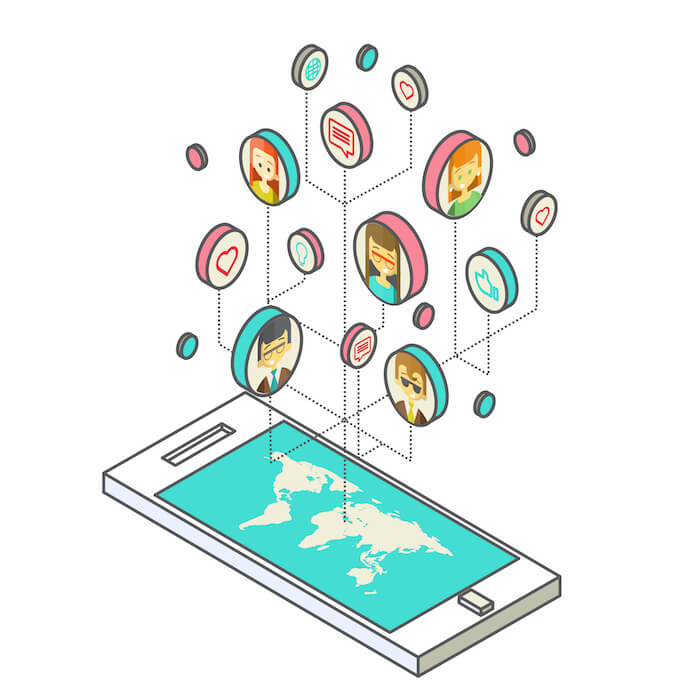
App localization goes far beyond simply translating text into different languages. It’s a holistic approach to adapting your app to the cultural, linguistic, and technical nuances of specific target markets. This includes everything from adjusting date and time formats to adapting visuals and cultural references.
Why App Localization is a Game-Changer:
- Expanded Reach: By making your app accessible to users in their native language and cultural context, you open doors to new markets and a broader audience.
- Increased Downloads and Revenue: Studies have shown that localized apps experience higher download rates and revenue compared to non-localized apps.
- Improved User Engagement and Retention: When users feel understood and catered to, they are more likely to engage with your app and stick around for the long term.
- Competitive Advantage: In crowded app markets, localization can be a key differentiator that sets your app apart from competitors.
Deciding When and Where to Localize Your App
Not every app needs localization right away. Consider these factors when deciding whether to localize:
- Download Statistics: Analyze your app’s download data to identify regions with a significant user base.
- Market Research: Research potential markets to identify regions with high demand for your app’s category and features.
- Competitive Analysis: See if your competitors are localizing their apps in specific markets.
If you’re unsure where to start, consider a Localization MVP (Minimum Viable Product) approach. This involves localizing your app store listing first (title, description, keywords, screenshots) to gauge interest before investing in full app localization.
What to Localize: Beyond Text Translation
Localization encompasses various elements, including:
- Text: Translate all user-facing text, including in-app content, menus, error messages, and notifications.
- Images: Adapt images and icons to ensure they are culturally appropriate and resonate with your target audience.
- Colors: Consider the cultural significance of colors in different regions.
- Sounds: Adapt audio elements, such as voiceovers or sound effects, to the target language.
- Currency and Units: Use the correct currency symbols and units of measurement for each region.
- Date and Time Formats: Adjust date and time formats to local conventions.
- Legal Requirements: Ensure your app complies with local laws and regulations regarding data privacy, advertising, and other relevant areas.
Tips for Effective App Localization:
- Prioritize Key Markets: Start by localizing for the markets with the highest potential for user acquisition and revenue.
- Internationalization: Design your app with localization in mind from the beginning. Use flexible layouts, externalize strings, and support different character sets.
- Locale-Specific Formats: Utilize the built-in locale settings of the operating system to automatically handle currency, number, and date formats.
- Professional Translation: Invest in high-quality translation services to ensure accurate and culturally appropriate localization.
- Thorough Testing: Test your localized app on different devices and operating systems to identify and fix any bugs or issues.
- User Feedback: Gather feedback from local users to refine your localization and improve the user experience.
- Continuous Updates: Regularly update your app’s localization to keep up with language changes and cultural shifts.
Tools and Resources for App Localization:
- Lokalise: A collaborative localization platform that simplifies the translation and management of your app’s content.
- Transifex: Another popular localization platform that offers features like translation memory and glossary management.
- Crowdin: A cloud-based platform that enables continuous localization and collaboration with translators.
AppSamurai: Your Partner in Global App Expansion
AppSamurai offers comprehensive app mobile acquisition services to help you reach a global audience. Our team of experts can give tips on all aspects of the localization process, from translation to cultural adaptation and testing, ensuring your app is ready to conquer new markets.
Don’t Limit Your App’s Potential
App localization is an investment that can yield significant returns in terms of user acquisition, engagement, and revenue. By embracing a global mindset and adapting your app to diverse markets, you can unlock new opportunities and achieve long-term success.
Ready to take your app global? Contact AppSamurai today and let us help you navigate the world of app localization.
Could not generate text at this time.
Imagine launching your app in a new country only to find out that a commonly used phrase in your interface translates to something confusing—or worse, offensive—in the local language. Ouch! This is where app localization becomes your superhero cape. It’s not just about translating words; it’s about adapting your app’s content, design, and functionality to align with the cultural nuances, preferences, and expectations of your target audience. From tweaking date formats and payment methods to choosing the right visuals and tone of voice, localization transforms your app from a one-size-fits-all product to a personalized experience that users feel was made just for them. And when users feel understood, they stick around—turning your app into a global success story. Let’s dive into how to get it right!
Imagine launching your app in a new country, only to find that your witty taglines fall flat, your user interface feels clunky, and your once-loyal users are dropping off faster than you can say “update.” That’s the reality of skipping app localization. Localization isn’t just about translating text; it’s about adapting your app’s language, visuals, and functionality to align with the preferences, cultural nuances, and expectations of your target audience. From tweaking color schemes to fit cultural symbolism to ensuring your payment options cater to local preferences, every detail matters. By investing in thoughtful localization, you’re not just opening new doors—you’re rolling out a personalized red carpet for users worldwide to step into your app and stay.